
Shop by category
Engineering plastics
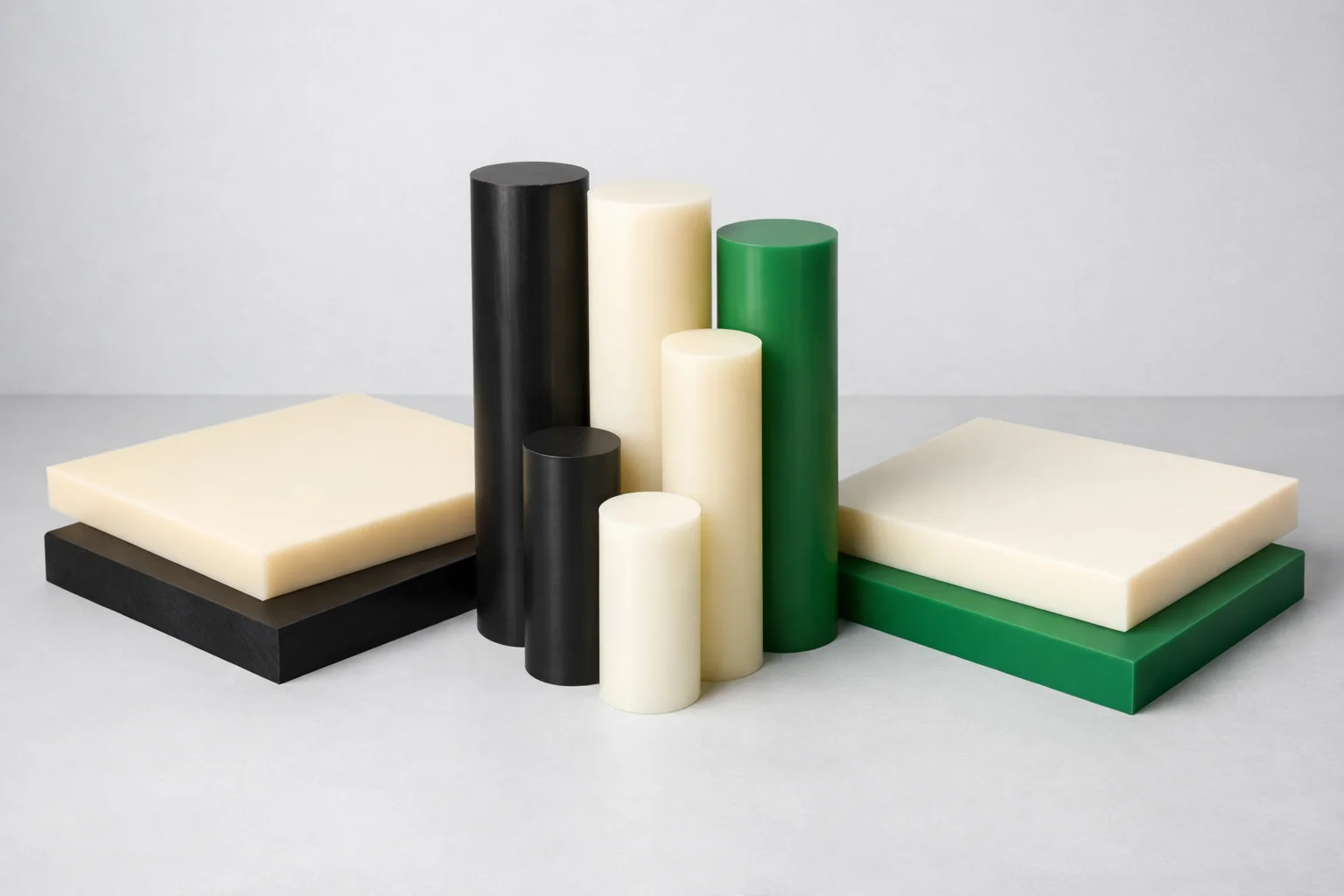
Engineering plastics replace metal, wood and rubber in wear parts, bushes, rollers, liners and guides. They are lighter than metal, do not corrode and often run without lubrication.
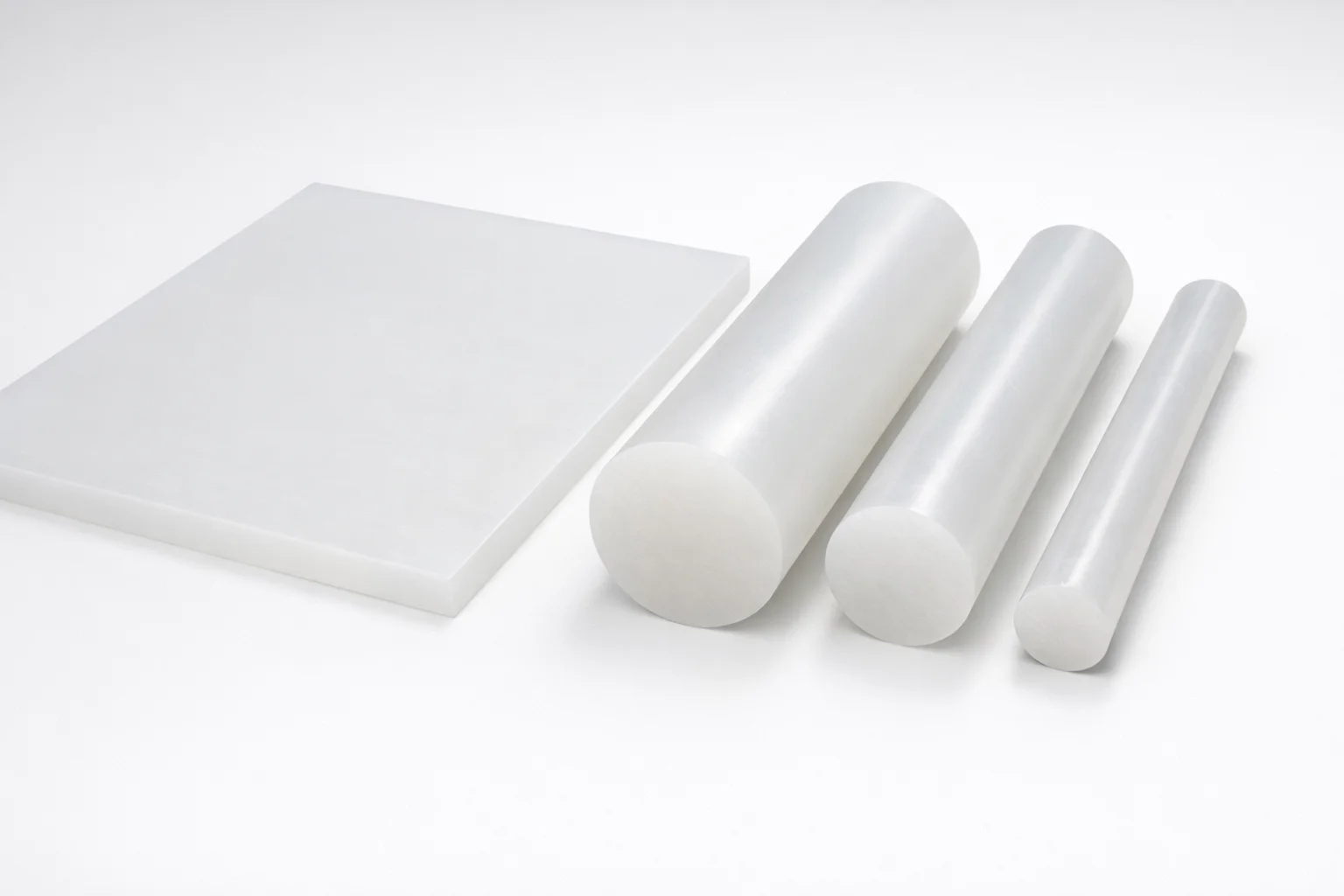
Plastics Hub NZ supplies HDPE, UHMWPE, acetal, nylon, PTFE and polypropylene as sheet (plate), and every one of them as solid rod too. The table below compares them; each product page has its common sizes and uses.
How they compare
A general guide comparing these materials with each other, not a datasheet. Grades differ; if your job needs a stated figure, confirm the grade with us.
| Material | Wear resistance | Friction | Machining it yourself | Moisture uptake | Chemical resistance | Heat |
|---|---|---|---|---|---|---|
| Acetal | Very good | Low | Excellent: cuts cleanly to tight tolerances | Very low | Good; not for strong acids | Moderate |
| Nylon | Very good | Low | Good | Absorbs some, can swell slightly | Good with oils and fuels; not for strong acids | Moderate |
| UHMWPE | Excellent | Very low | Fair: soft, needs sharp tools | Very low | Very good | Low |
| HDPE | Good | Low | Good: cuts and routs easily | Very low | Very good | Low |
| PTFE | Fair; filled grades better | Lowest | Good, but soft and creeps under load | Very low | Excellent | High |
| Polypropylene | Fair | Low | Good | Very low | Very good | Moderate, above polyethylene |
Engineering plastic sheet and rod
-
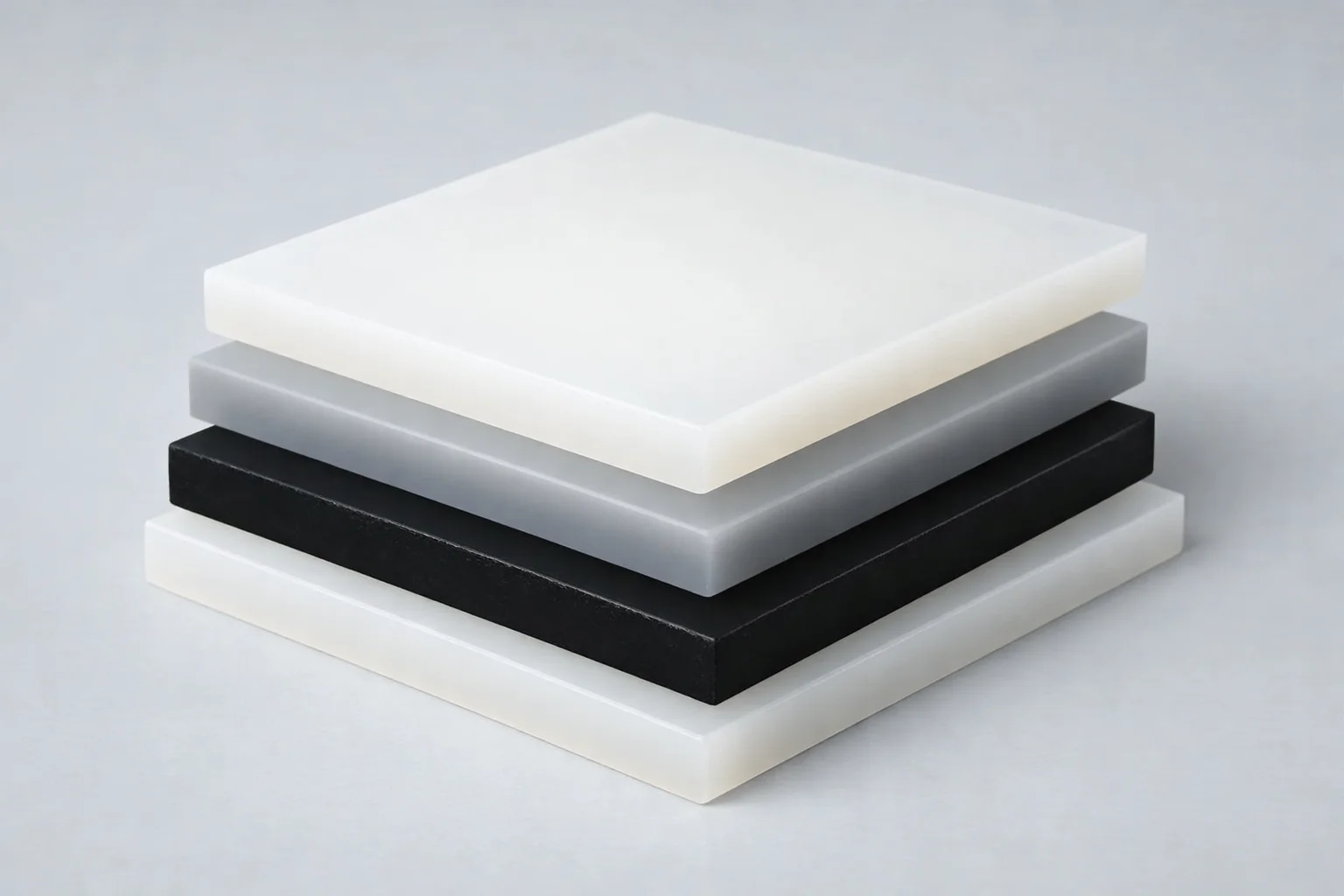
Polypropylene sheet
Light, chemical-resistant sheet for tanks, trays and linings.
View Polypropylene -
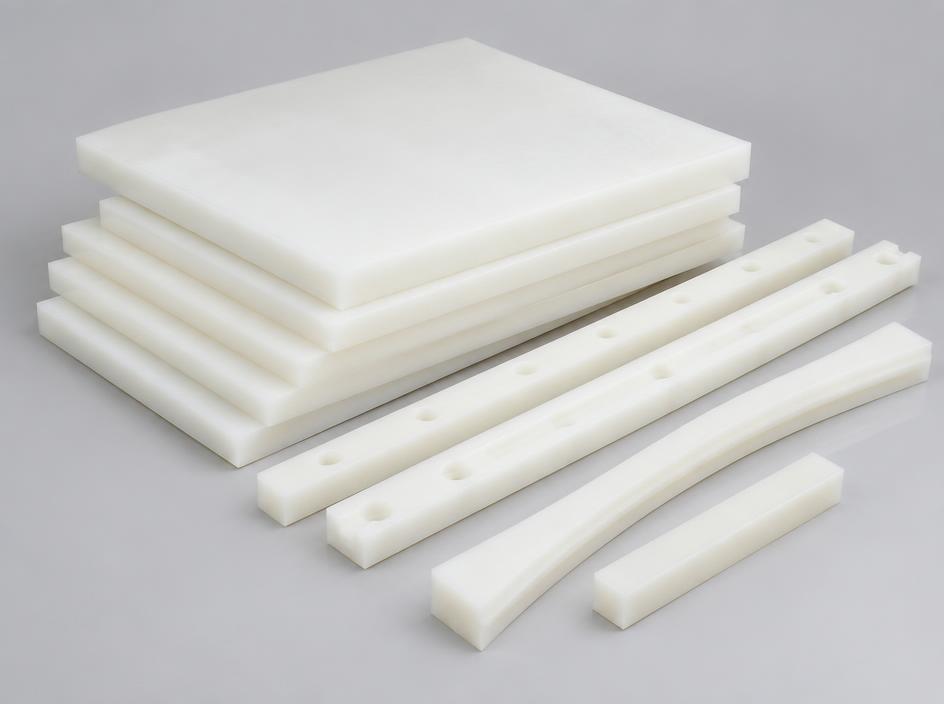
UHMWPE sheet
Exceptional wear resistance and a slippery surface for liners and wear strips.
View UHMWPE sheet -
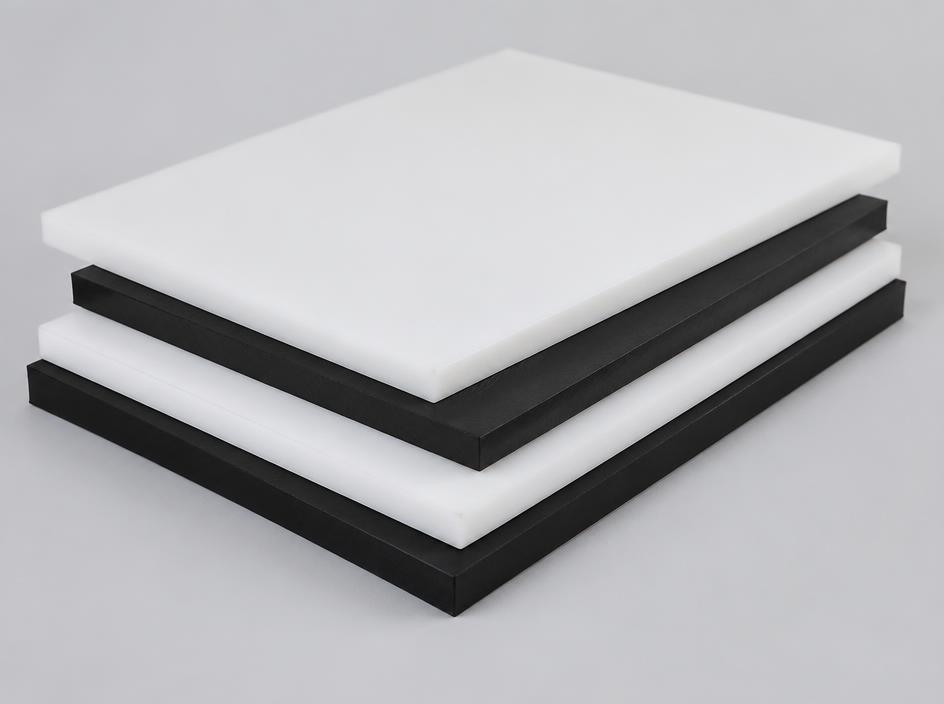
HDPE sheet
Tough, easy-clean sheet for boards, linings and marine fit-outs, including Seaboard.
View HDPE sheet -
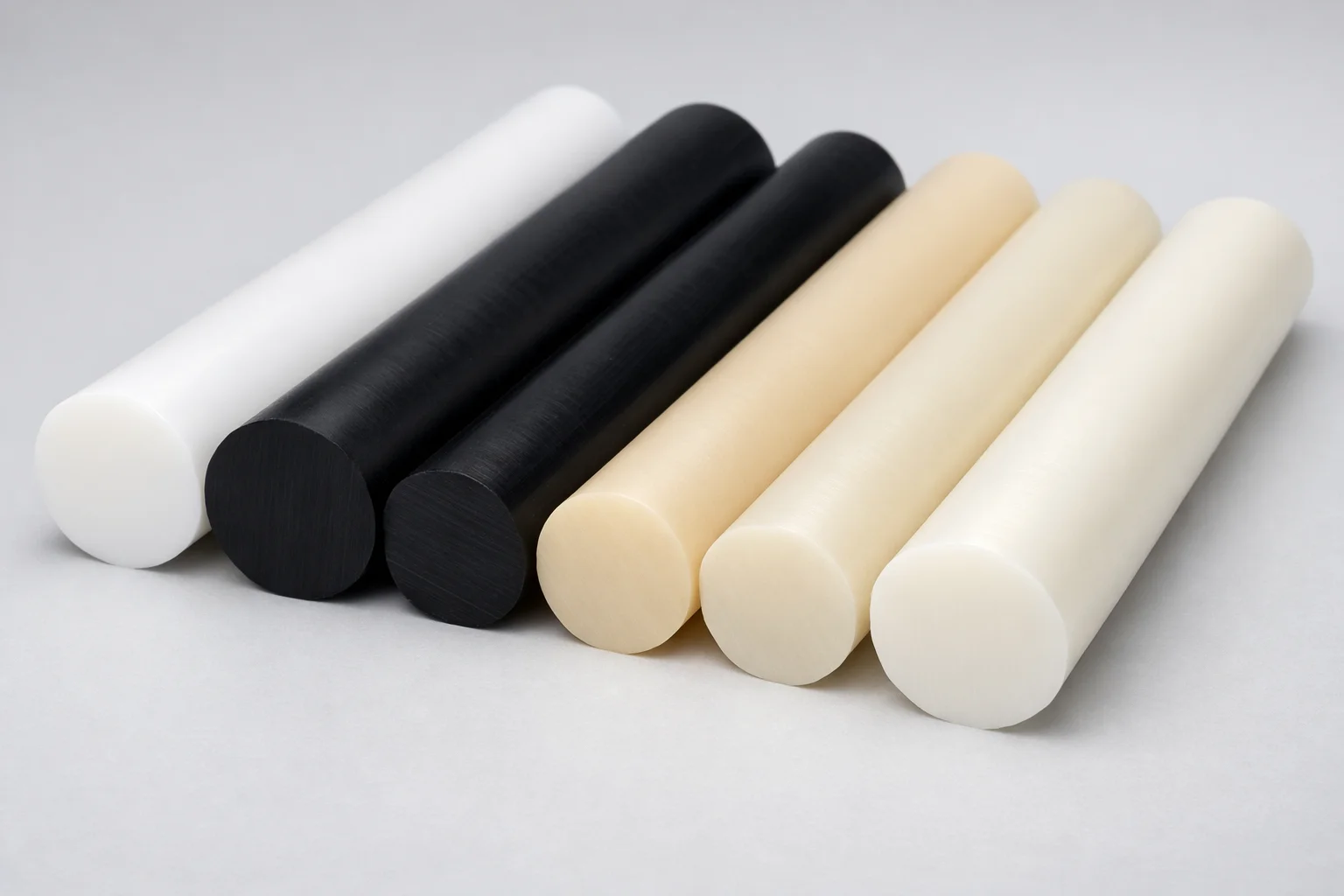
HDPE rod
Light, low-cost round bar that shrugs off water and chemicals.
View HDPE rod -
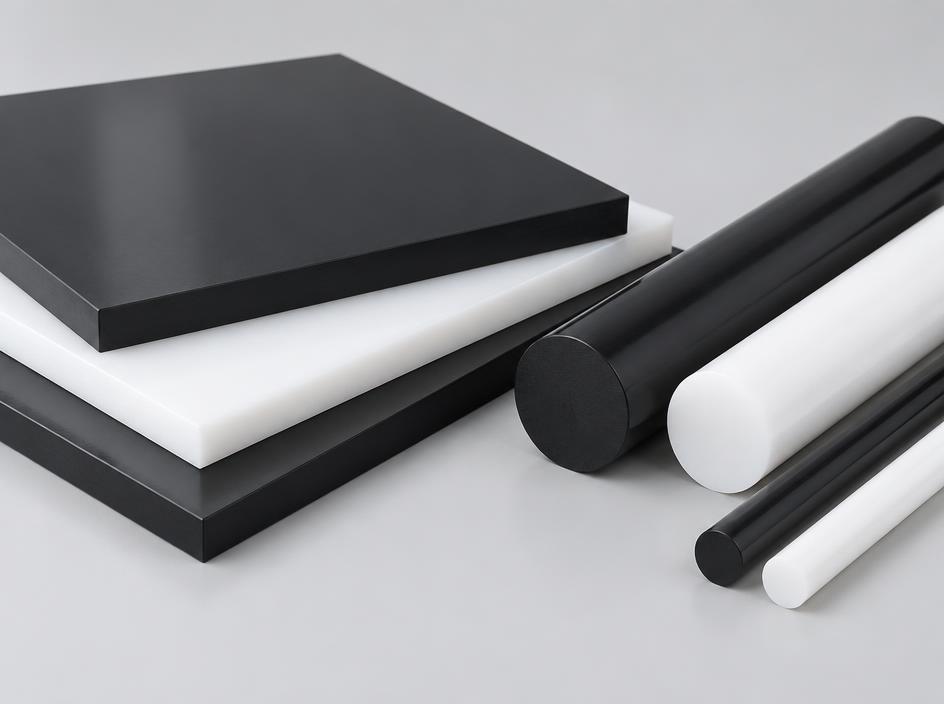
Acetal sheet
Stiff, stable plate for jigs, wear pads and milled parts.
View Acetal sheet -
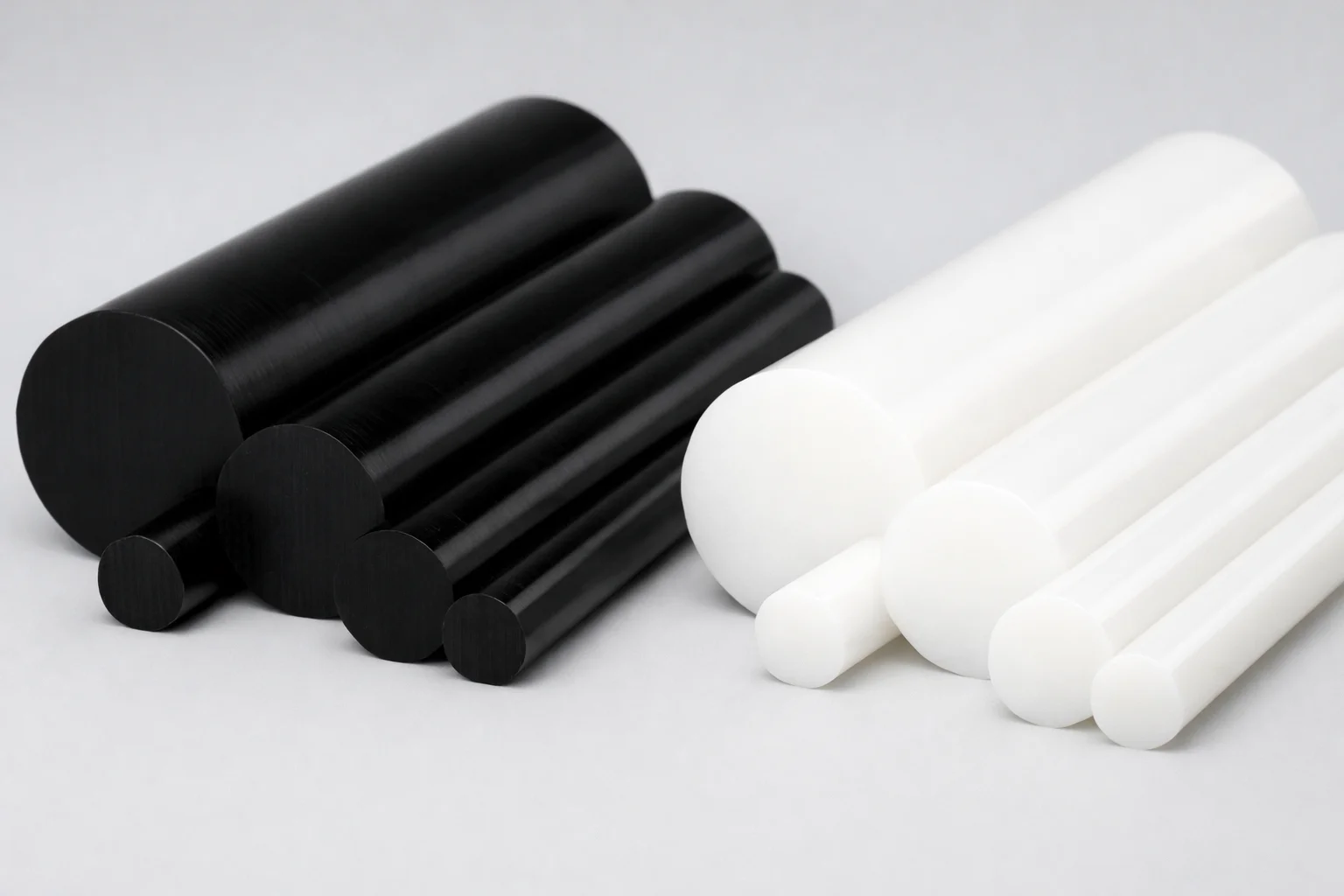
Acetal rod
Stiff, stable round bar that machines cleanly for gears and bushes.
View Acetal rod -
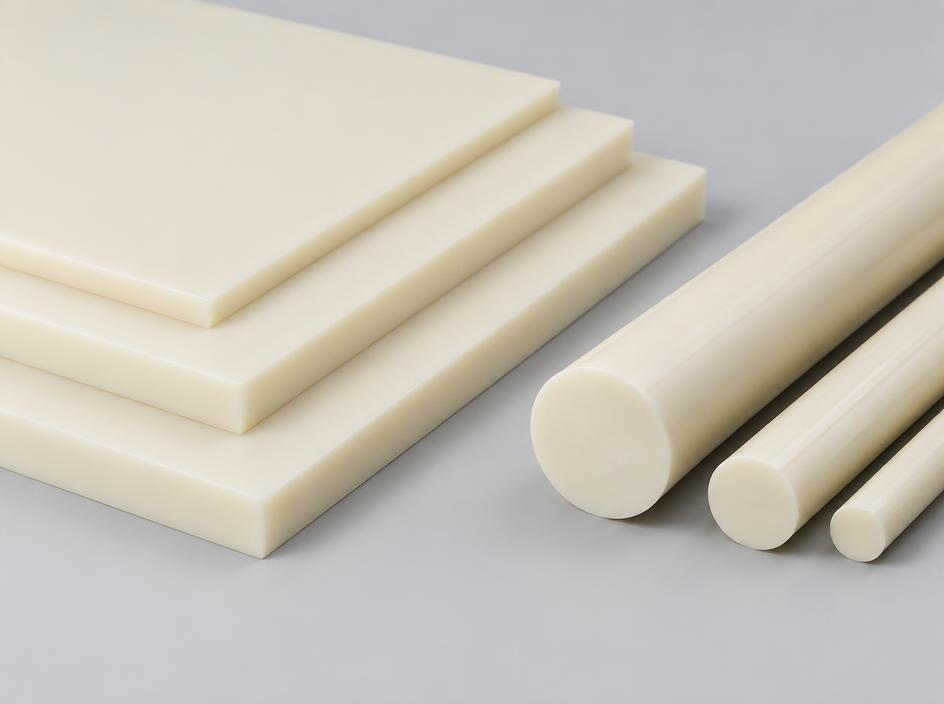
Nylon sheet
Tough, hard-wearing plate for wear pads, slides and liners.
View Nylon sheet -
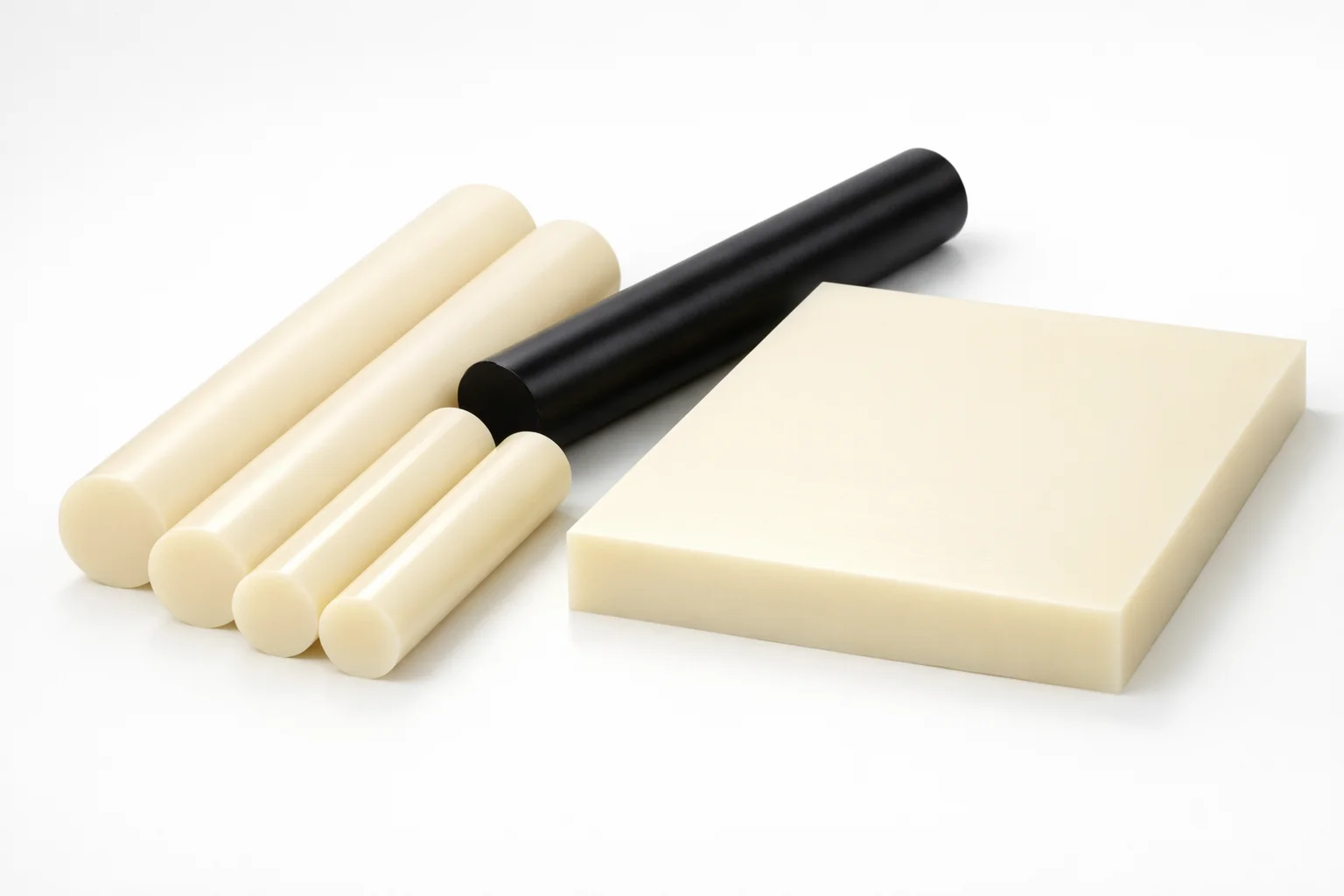
Nylon rod
Tough round bar for bushes, rollers and sheaves.
View Nylon rod -
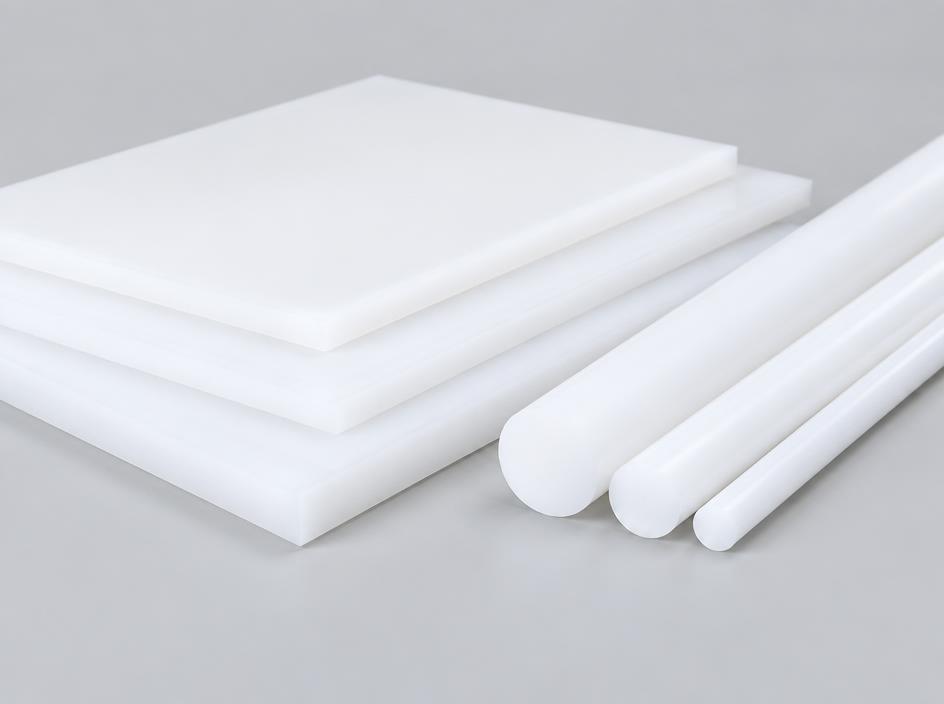
PTFE sheet
Lowest-friction sheet for gaskets, slide pads and chemical linings.
View PTFE sheet -
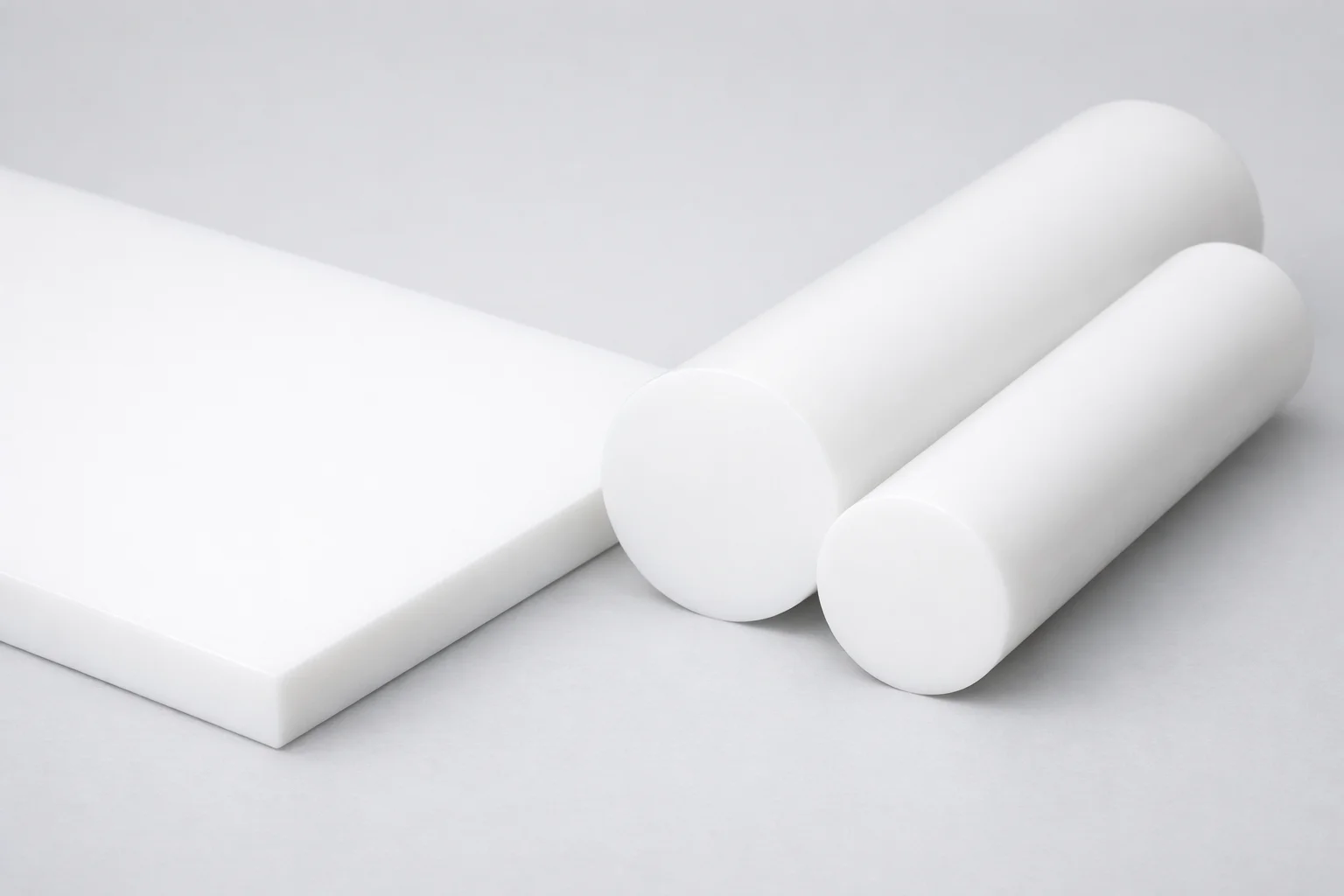
PTFE rod
Low-friction, chemical-resistant round bar for seals and valve parts.
View PTFE rod -
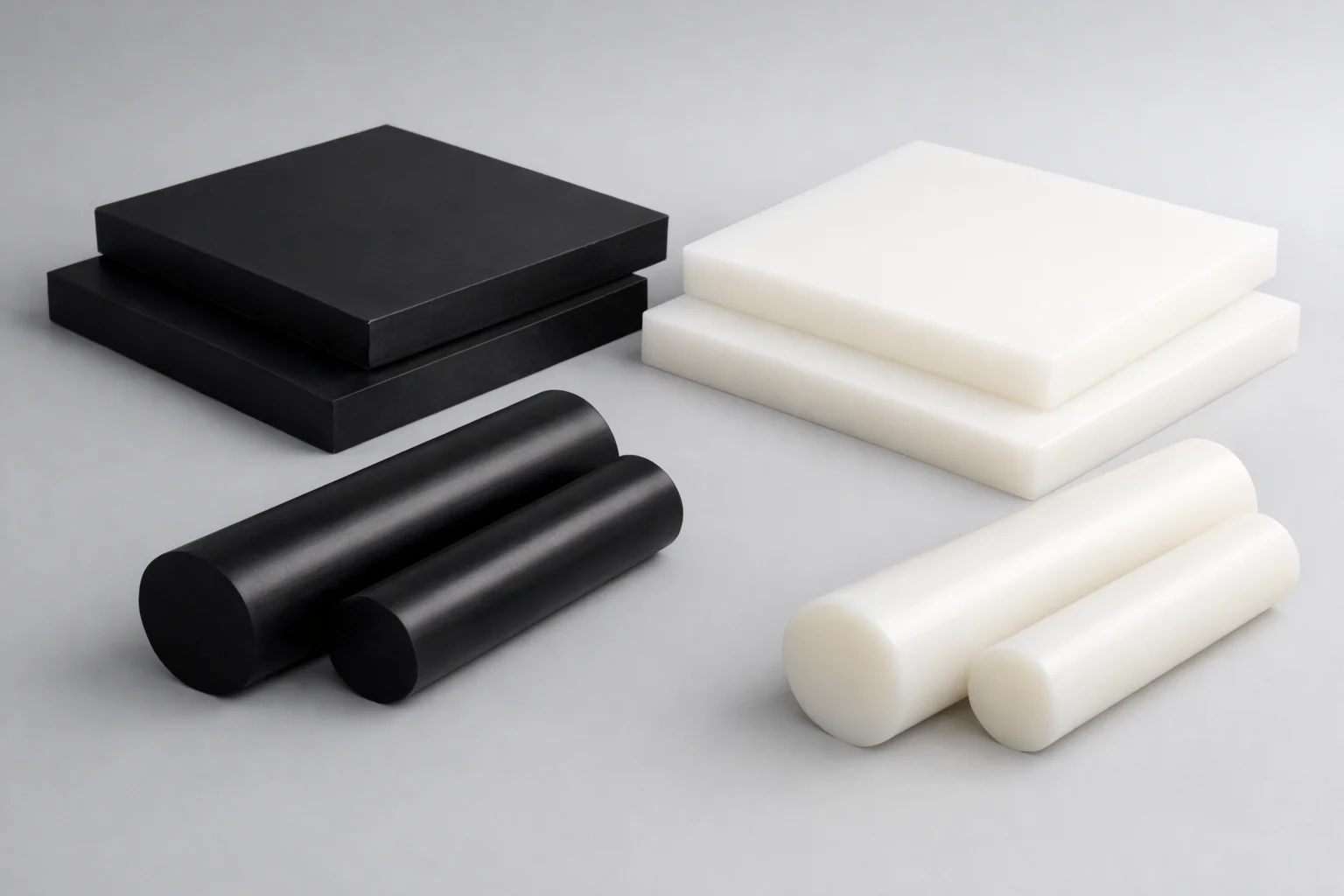
UHMWPE rod
Very wear-resistant, slippery round bar for guides, rollers and star wheels.
View UHMWPE rod -
Polypropylene rod
Light, chemical-resistant round bar for fittings and wash-down parts.
View Polypropylene rod
Sheet and rod
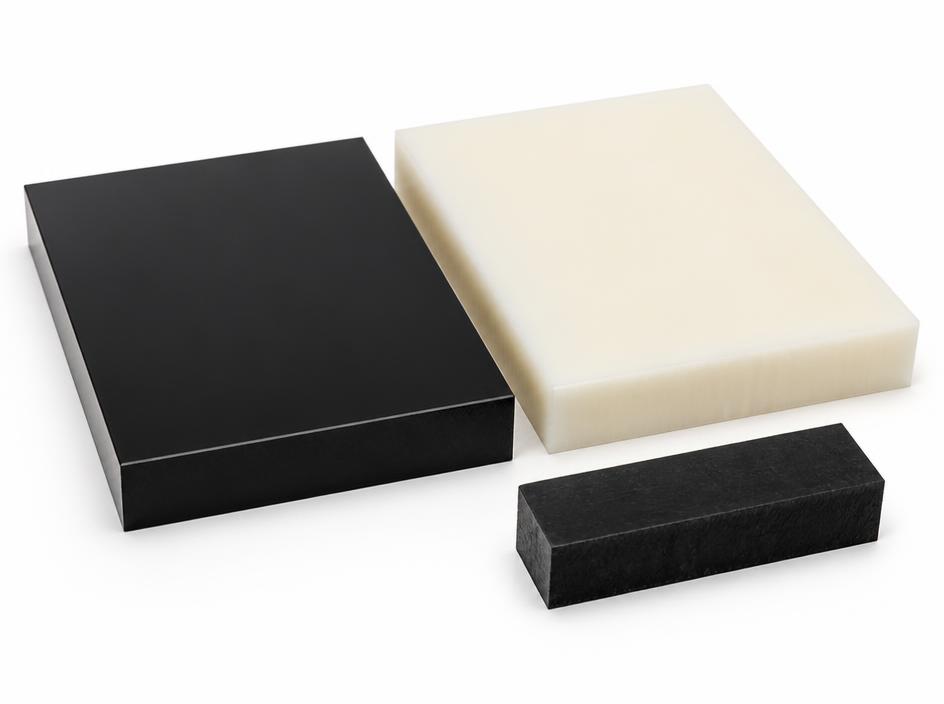
Each of these materials comes as flat sheet or plate and as solid round rod, so you can choose the form that suits your part. Rod suits turned parts such as bushes, rollers and spacers; plate suits wear pads, liners and milled parts.
Choosing quickly
Acetal for precise parts that must hold their size. Nylon for tough parts under shock load. UHMWPE for heavy sliding wear and liners. HDPE as the low-cost all-rounder. PTFE for the lowest friction and hardest chemical or heat duty. Polypropylene for chemical tanks and hotter wash-down.
Machining is yours, supply is ours
We supply the sheet and rod; machining, turning and fitting are done by you or your engineering shop. Where food contact, a temperature rating or another stated performance matters, confirm the grade with us.
How to order
- Send us an enquiry through the quote form or email trade@plasticshub.co.nz.
- Tell us the material, whether you need sheet or rod, the thickness or diameter, the size or length, and quantity, and the town or city it is going to.
- We'll come back with a quote, including delivery.
Need it cut? Cutting is available on certain materials at certain depots. Request a quote with your sizes and we'll confirm.
Engineering plastics questions
- Which engineering plastic is best for bushes?
- Acetal and nylon are the usual choices. Acetal holds its size better, especially when wet; nylon is tougher under shock loads. Tell us the load, speed and environment and we'll suggest one.
- What is the most wear-resistant plastic?
- For sliding and abrasive wear across large areas, UHMWPE is hard to beat. For smaller precise wear parts, acetal and nylon are stiffer and hold their shape better.
- Which plastic has the lowest friction?
- PTFE has the lowest friction of these materials, followed by UHMWPE. PTFE is soft and creeps under load, so filled grades are often used for bearing parts.
- Do you machine parts?
- No. Plastics Hub NZ supplies engineering plastic sheet and rod; machining is done by you or your engineering shop.
- Can you cut sheet or rod to size?
- Cutting is available on certain materials at certain depots. Request a quote with your sizes and we'll confirm.
Tell us what you need. We'll source it.
One enquiry, multiple supply sources. Or email trade@plasticshub.co.nz.